
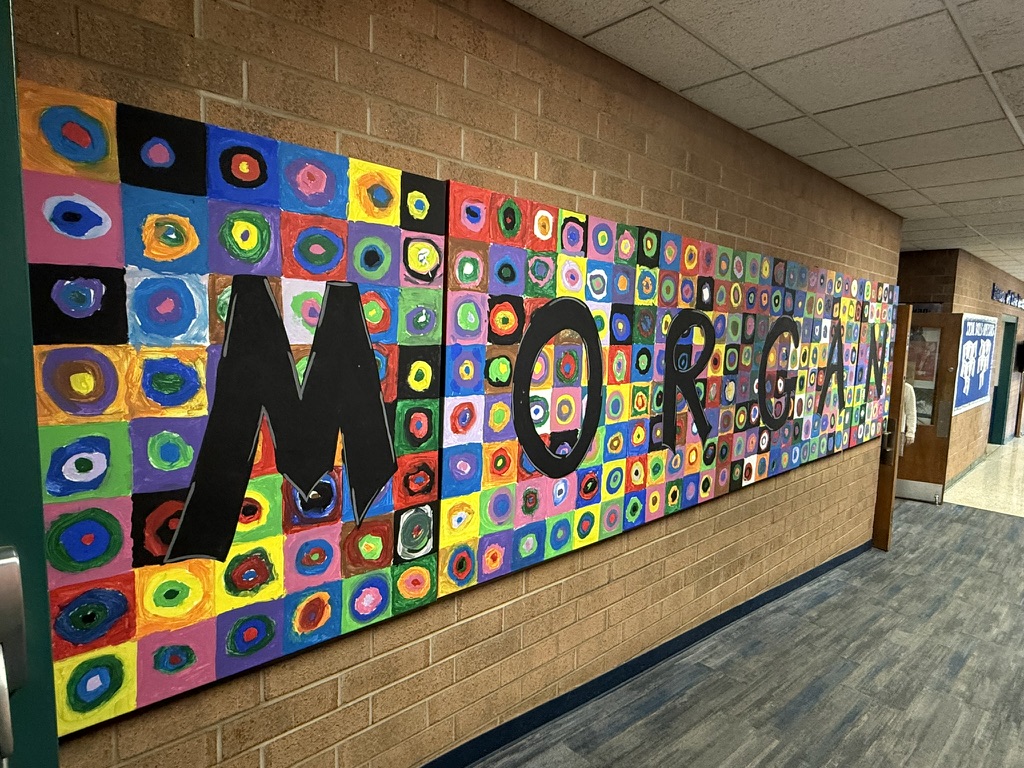
It is early morning at Morgan Elementary, and the building is already brimming with anticipation for the day ahead. There is a buzzing energy as teachers and staff eagerly take their places in the entryway to greet the students, a giddy excitement that suggests they cannot wait to see their young people. As students filter in, cheeks rosy from the winter cold, the warmth in the smiles, hugs, and high fives exchanged is contagious.
Before the day begins, students pick up breakfast from the cafeteria and head to their classrooms to eat with their classmates. The school hums with conversation and movement as students eat, talk, and settle into the rhythm of the day. This is a place where children are clearly expected, welcomed, and known.
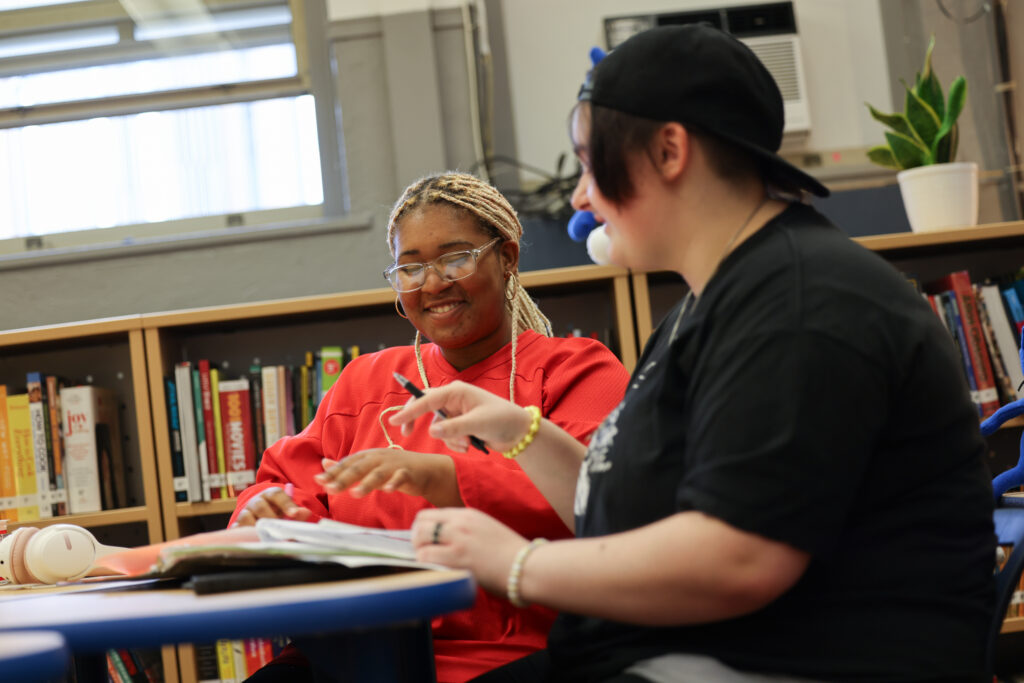
Just off the main hallway sits the colorful library, where members of the student Digital Media Team scurry about, teleprompter iPads in hand, checking in with their advisor before recording the next episode of Good Morning Morgan. The daily broadcast, covering the weather, hot lunch menu, and upcoming events or special activities, is student written, filmed, and edited, exemplifying one of the many meaningful, student-centered learning opportunities at Morgan Elementary.
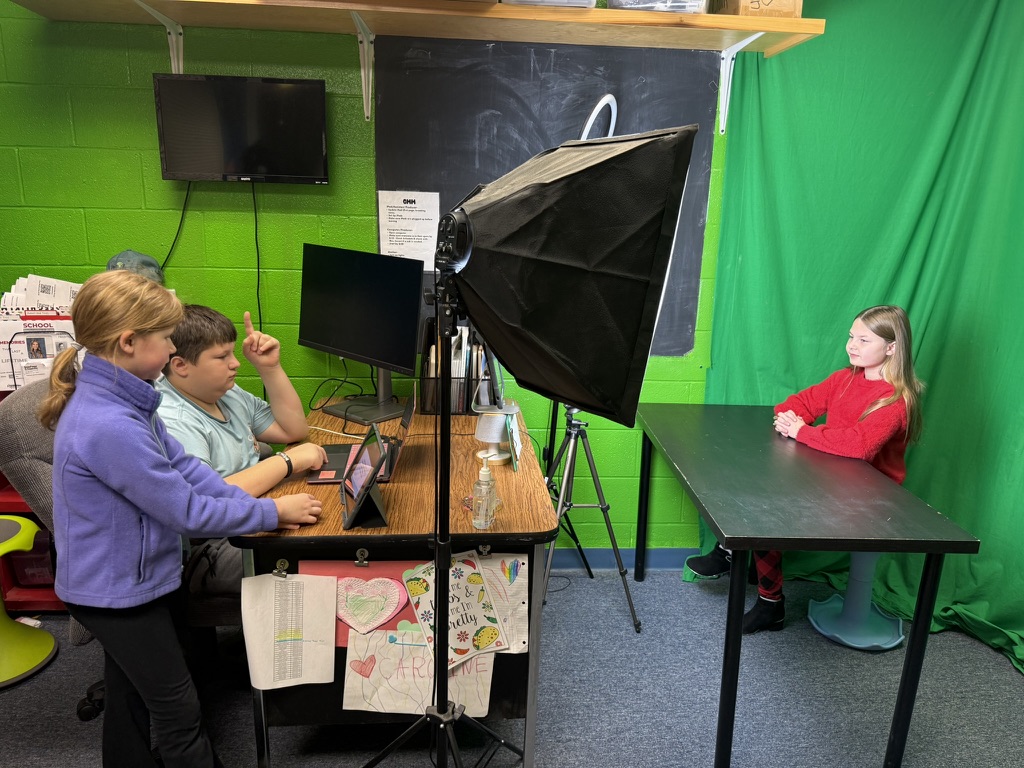
From these first moments of the day, it becomes clear that Morgan Elementary is intentionally organized around relationships, belonging, and shared responsibility. The routines that shape the morning—greeting every student by name, gathering together for breakfast, and elevating student leadership—are not incidental. They reflect a deeper set of values that guide how the school approaches teaching and learning, how it partners with families and the broader community, and how it ensures that every child is supported to grow. At Morgan, care and learning are not separate priorities; they are deeply intertwined, laying the foundation for the community-centered and competency-based work that defines the school’s approach today.
A School Shaped by Its Community
Morgan Elementary sits in a small, rural community in central North Carolina. Unlike some places, there are no sharp geographic divides separating neighborhoods by income or identity. Families with different backgrounds and means live side by side. Many families have deep, multi-generational ties to the area, and the school has long been a central institution in community life. People speak about Morgan not just as a place children attend, but as a place that belongs to everyone.
That sense of shared responsibility shows up in countless ways. Community members volunteer regularly in the building, whether reading with students, helping organize events, or supporting enrichment activities. Local organizations partner with the school to provide resources and experiences for students and families. When a need emerges—clothing, school supplies, extra academic support—the response is often collective and immediate.
This orientation toward care did not originate with a formal “community schools” initiative. Instead, it reflects a long-standing belief that schools should take care of children as whole people and that communities play an essential role in making that possible. Over time, however, Morgan’s leaders began to recognize that strong relationships and community support, while essential, were not sufficient on their own to provide an excellent education. They also needed instructional systems that ensured every student was learning what they needed to learn.
Recognizing the Limits of Traditional Schooling
Like many elementary schools, Morgan had relied for years on traditional grade levels. Students progressed by age, and learning was often organized around fixed timelines and set curriculum. While this approach worked well for some students, educators increasingly noticed its limitations. Some children moved forward without fully mastering foundational skills, particularly in reading and math. Others, who grasped concepts quickly, found themselves waiting for the rest of the class to catch up.
These patterns raised important questions. How could the school ensure that every student built a strong academic foundation without labeling or stigmatizing children who needed more time? How could it honor the individuality of learners while maintaining a shared sense of community? And how could it do this in a way that aligned with the school’s deeply held values of care, belonging, and equity?
The district’s Renewal designation—stemming from a North Carolina legislative initiative that granted the district increased flexibility—created space to explore new approaches. Leaders and teachers began looking outward, learning from other schools experimenting with mastery-based and competency-based models. Importantly, this exploration was not rushed. School leaders invested time in listening—to teachers, to families, and to students—before making major shifts. Building understanding and trust was seen as a prerequisite for meaningful change.
Letting Go of the Clock
Over time, a new guiding belief began to take hold at Morgan: time should no longer be the primary driver of learning. As one educator put it, “Time is not the constraint for us.”
This belief has reshaped what learning looks like inside classrooms. There are no grade-level labels on classroom doors—only room numbers and teacher names. Students of the same age may be working on different skills, and students at different ages may be working on similar concepts. Progress is organized around proficiency scales aligned to state standards, with clear descriptions of what it means to be approaching, meeting, or exceeding mastery.
Learning is visible, but not comparative. Students track their own progress using numbers rather than names, allowing them to see growth without inviting competition. When a student demonstrates mastery of a skill, they ring a bell in the classroom. The sound carries down the hallway, and other students pause to celebrate. These moments are joyful, affirming, and routine. Mastery is something to be proud of, not something to race toward.
Perhaps most striking is what is absent. There is little evidence of students being ranked against one another or teased for working at different levels. Educators describe a culture in which students are used to being “where they are” and focused on their own learning journeys. Progress is expected, but it is not rushed.
Community Schools and Competency-Based Education—Working Together
At Morgan, competency-based education does not exist in isolation. It is deeply intertwined with the school’s identity as a community-centered institution. The same relationships that allow students to feel safe and supported also make it possible for a mastery-based system to function well.
Students who are hungry, anxious, or dealing with challenges outside of school are unlikely to engage fully in learning, no matter how well-designed the instructional model may be. Recognizing this, Morgan has continued to strengthen its network of support. Counselors regularly visit classrooms, not just in response to crises but as part of ongoing social-emotional learning. Community partners help address practical needs, from clothing and supplies to tutoring and enrichment. Families are engaged as collaborators, contributing insight and support in ways that reflect their strengths and circumstances.
At the same time, the clarity and transparency of the competency-based system reinforces trust. Families know what their children are working on and why. Students can explain their learning goals and progress. Teachers have shared language and tools that allow them to coordinate instruction and support across classrooms.
Rather than feeling like two separate initiatives layered on top of one another, community schools and competency-based education at Morgan operate as a single, coherent approach. Care enables learning, and learning is organized in a way that honors each child.
Early Signs of Impact
The effects of this integration are visible in daily school life. Students speak confidently about their learning and take pride in their progress. They know what they are working toward and understand that needing more time is not a failure. Teachers describe a shift from managing whole-class pacing to responding to individual learners, supported by flexible grouping and shared responsibility across the school.
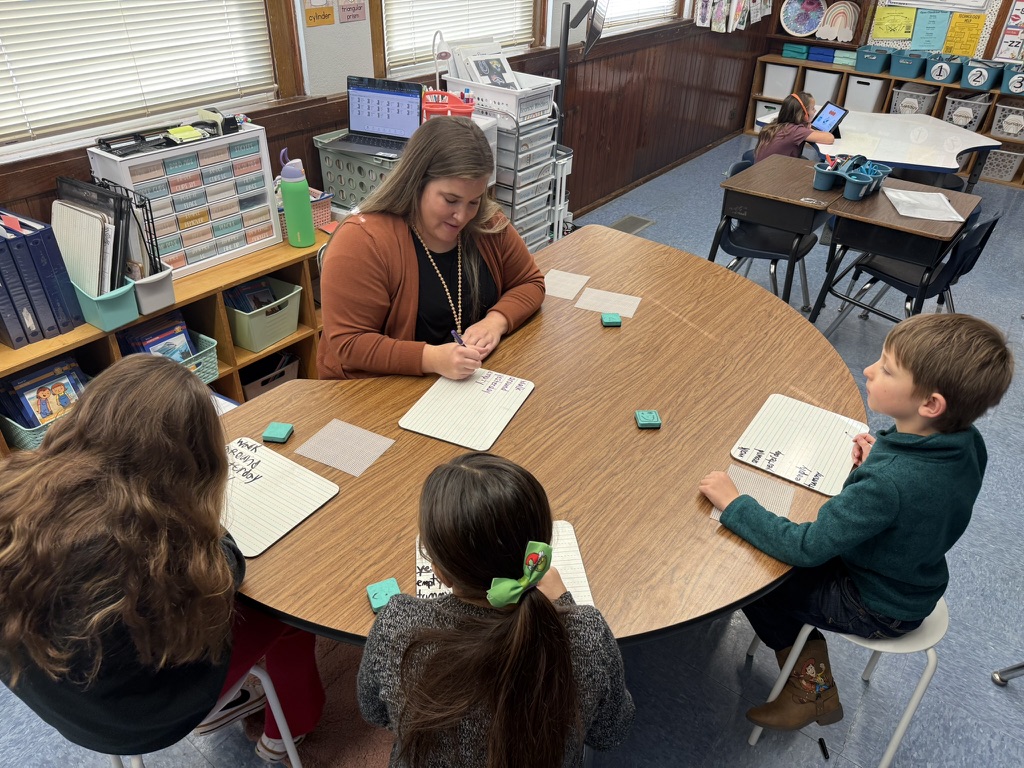
Families, too, have noticed changes. While some initially had questions about moving away from traditional grades and timelines, many now express appreciation for the clarity and attention their children receive. They see children who are less anxious about school and more engaged in learning.
Community partners describe feeling genuinely welcomed and valued, with a clear sense of how their contributions support students’ growth. The school continues to function as a hub—not only for services and events, but for shared purpose.
Looking Ahead
This post is the first in a series exploring Morgan Elementary’s work. In the next post, we will take a closer look at how Morgan enacts the core principles of the community schools framework in practice. The third post will examine Morgan’s competency-based education model in greater depth, focusing on how mastery, pacing, assessment, and support are designed and experienced.