Strategies to help curb COVID-19 by getting all members of the school community vaccinated
Vaccinating the population against COVID-19 will help stop the spread of the virus. Adults and children (when authorized) should receive the COVID-19 vaccine to protect themselves, their families, and their community.
- In order to bring the COVID-19 pandemic to an end, it will be important for children to receive the vaccine when it is authorized. Though younger children are less likely to become infected, transmit the virus to others, and experience severe illness if they do become sick, they are not completely immune.
- Schools do not need to wait until all teachers receive a vaccine to reopen. Vaccination is just one of a set of strategies that we can use to reduce risk, including wearing masks, improving ventilation, hand-washing, etc.
- While more people are getting vaccinated, masks remain a critical component to stopping the spread of COVID-19. We know masks are highly effective at limiting the spread of the virus, and all school-aged children and adults in the school environment should continue to wear them until public health officials recommend otherwise.
Current Vaccination Status in the U.S.
Teacher Vaccinations:
- As of April 6, 2021, nearly 80 percent of teachers, school staff, and childcare workers had received at least one shot of the COVID-19 vaccine. (Source: CDC)
Children Vaccinations:
- As of May 12, 2021, the Pfizer-BioNTech COVID-19 vaccine has been approved for children 12-15 years old. The adolescent trials have shown efficacy of 100% and no significant safety concerns. (Source: American Academy of Pediatrics)
- As of November 3, 2021, the CDC recommends that children 5-11 years old be vaccinated against COVID-19 with the Pfizer-BioNTech pediatric vaccine. As a result, more than 28 million children are now able to receive the vaccine. (Source: CDC)
- Moderna has started a clinical trial to test its COVID-19 vaccine in children under 12, including babies as young as six months. The company is also in the process of filing an emergency use authorization with the FDA for use of its COVID-19 vaccine in 12 to 17 years old. (Source: American Academy of Pediatrics)
- This means that most K-12 students are eligible to receive the vaccine. Given that older adolescents tend to transmit the virus similarly as adults, receiving the vaccination is highly recommended.
Action Steps for School Leaders
School leaders can support vaccination efforts by taking action in their community:
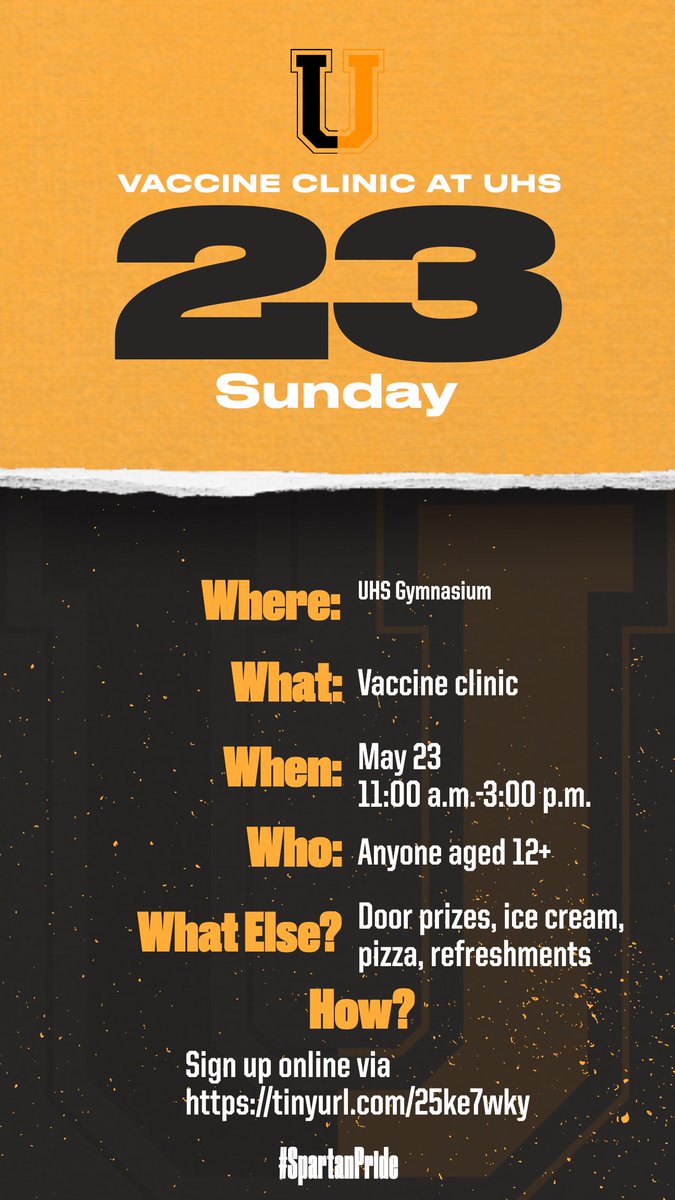
- Host a vaccine clinic at a local school and encourage all eligible students and families to attend (Ex: Uxbridge High School Vaccine Clinic)
- Build confidence around the COVID-19 vaccine through positive messaging and fact-based evidence (Ex: COVID-19 Vaccine Education Initiative)
- Consider offering incentives for staff who receive their vaccine, such as monetary awards (from federal relief money), paid time off to receive the vaccine, sick leave for people who experience side effects, and free transportation to a clinic or pharmacy. (Read more about incentivizing teachers from EdWeek)
- Partner with your local department of health and pediatric providers for reliable information, to identify vaccination sites, and to provide support for families and community members. (Read more about partnering with your local board of health)
Considerations Around Mandates
- Vaccine mandates have been met with mixed responses, but have been effective in some major cities.
- New York City required all Department of Education employees to receive at least one dose of a COVID-19 vaccine by Sept. 27, 2021. Approximately 95% of all full-time school employees received at least one dose by that date.
- In a review conducted by the Center on Reinventing Public Education (CRPE), the majority of 100 large and urban school districts do not require vaccines for employees. Those that do require vaccinations must overcome court challenges and fears that letting go of even a small number of employees could have an impact on students.
Helpful Resources
The following resources offer starting points for school leaders to think through scheduling, student groupings, and more. These comprise of practitioner toolkits and published guides to provide actionable next steps.
CDC Resources
- FAQs about the COVID-19 Vaccine (PDF)
-
10 Things to Know About the COVID-19 Vaccine for Children (website)
-
Resources to Promote the COVID-19 Vaccine for Children & Teens (website)
Educator Resources
- Lesson Plan: The COVID-19 Vaccination and Equity from ADL (PDF)
- Lesson Plan: Invent Ways to Help Get Your Community Vaccinated from PBS (website)
Student Resources
- Learn about Vaccines from BrainPop (website)
- A Kid’s Guide to COVID-19: How Vaccines Work from Boston Children’s Hospital (YouTube video)
- My Vaccine Activity Book from Children’s Hospital of Philadelphia (PDF)