Creating physical spaces that reflect students, celebrate their growth, and reinforce a sense of belonging within the learning community.
Practical approaches for creating learning environments that reinforce belonging and community.
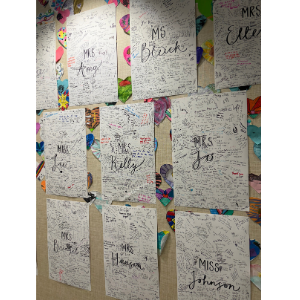
When visitors walk through South Elementary, they quickly see that the building is designed around students. Hallways, lockers, and common spaces make student identity, learning, and growth visible throughout the school.
At South, visual culture supports relationships, learner supports, and learner agency by helping students feel known and connected. Rather than filling walls with generic decorations, staff intentionally use visual displays to celebrate learners, make growth visible, and create opportunities for connection.
Examples include:
-
A math selfie station where students celebrate learning milestones
-
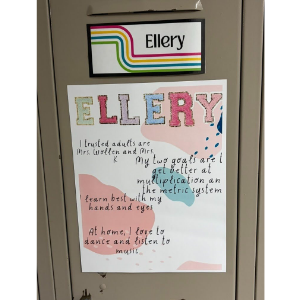
“Who I Am as a Learner” profiles displayed on lockers, highlighting student interests, strengths, goals, and trusted adults
-
Visual tracking systems that help students monitor progress toward learning goals
-
A hidden sticker game featuring the principal’s face that adds humor and joy throughout the building
Together, these small choices transform the physical environment into an extension of the school’s learning culture. Students regularly see reminders that they belong, are growing, and are valued members of the community.
Apply It
Make Learners the Center
Prioritize displays that showcase student identities, learning, goals, and growth. Ask whether what students see throughout the building helps them feel known and capable.
In Practice:
-
Create learner profiles that highlight student strengths, interests, and support networks
-
Display student, class, and school-wide goals and aspirations in classrooms or hallways
-
Showcase student work alongside reflections about the learning process
-
Highlight accomplishments both inside and outside of school
Use Visuals to Support Relationships
Visual culture can help students and adults learn more about one another and create opportunities for meaningful connection.
In Practice:
-
Invite students to identify trusted adults and making those connections visible
-
Create staff spotlight displays that help students get to know adults across the building
-
Feature classroom community agreements developed with students
-
Celebrate peer mentors, leadership roles, or collaborative learning experiences
Make Learning Visible
Use displays to reinforce growth, reflection, and progress—not just finished products. Visible learning can help students take ownership of their development.
In Practice:
-
Use student-friendly progress trackers tied to learning goals
-
Post proficiency scales or success criteria in accessible, student-facing language
-
Display work samples that show growth over time
-
Create reflection spaces where students can share insights, challenges, or accomplishments
Balance Purpose with Joy
Not every display needs to be academic. Interactive traditions, celebrations, and playful elements can help create a welcoming environment where students feel connected to the school community.
In Practice:
-
Create scavenger hunts, sticker challenges, or other interactive experiences
-
Invite students to contribute to school-wide displays
-
Celebrate milestones and achievements throughout the year
-
Incorporate humor, artwork, and traditions that reflect the unique personality of the school
Visual culture is a simple but powerful way to reinforce belonging and make learner-centered values visible every day.